July 16, 2026 · K. M. Ihteshamul Hoque
Why Youth Skills are the Engine of Our Future
A formal degree is no longer a guaranteed passport to success. Discover why bridging the widening gap between traditional education and human-centric skills like critical thinking and emotional intelligence is the most urgent challenge facing today’s youth.
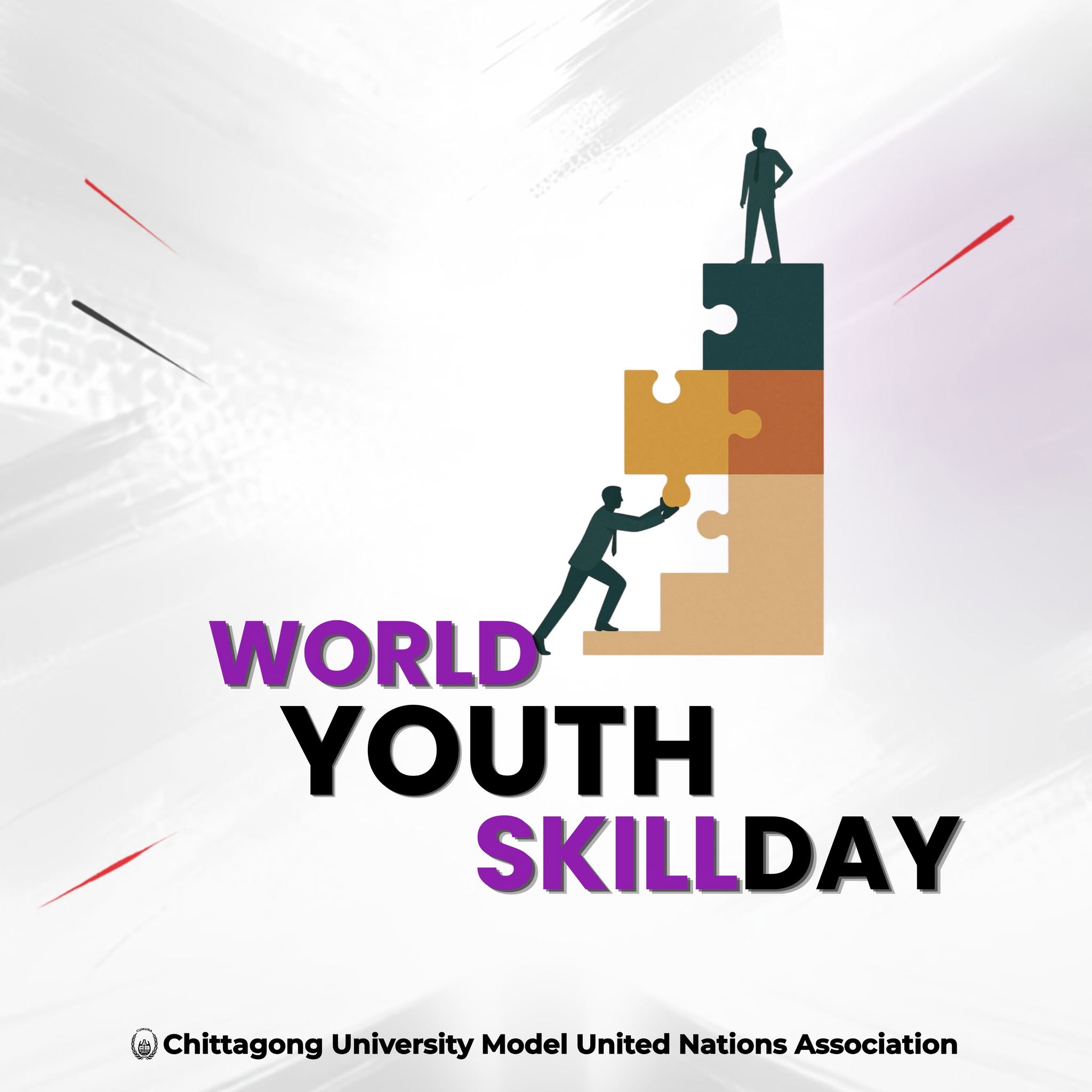
He stands at the threshold of adulthood, his mind filled with dreams of supporting his aging parents and easing the burden his father carries every day. He has the degree, the ambition and the heart. Yet, he hits a wall, not due to a lack of effort, but because of a widening disconnection between his formal education and the world’s evolving professional demands. This is not just one story; it is the silent struggle of millions of youth today who find themselves watching the finish line of opportunity move further away.
This is why World Youth Skills Day is more than just a date on the calendar. It is a critical call to action.
Our world is being dramatically reshaped by digital technologies, climate change and economic uncertainty. According to global employment data, nearly 269 million young people worldwide are currently not in any kind of employment, education or training (NEET), while employers consistently report a severe shortage of job-ready talent. As this year’s theme reminds us, navigating these rapid changes requires a new, agile set of competencies.
While AI and automation are redefining the professional landscape, the essence of human potential remains irreplaceable. Technical proficiency may get you in the door, but it is Emotional Intelligence, Critical Thinking, Creativity and Leadership that define your trajectory. These are the human-centric skills that no algorithm can replicate and no machine can replace.
To bridge this gap and unlock our full potential, we must look beyond traditional classroom rote learning and focus on three structural pillars:
Curriculum Modernization: Integrating technical, digital literacy alongside soft-skill development directly into formal education systems.
Public-Private Partnerships: Expanding institutional internships, apprenticeships and mentorship programs that provide real-world, industry-standard training before graduation.
Inclusive Upskilling: Ensuring that youth from marginalized communities have equal access to digital resources and vocational training.
On this World Youth Skills Day, we celebrate the contributions of young people across the globe. As innovators, leaders and agents of change, we are committed to building more inclusive, resilient and sustainable communities. However, this commitment must be supported by systemic action. Unlocking full potential requires massive investment, but the reward is clear: closing the skills gap is the most effective way to create decent jobs, secure sustainable livelihoods at scale and build a resilient workforce for tomorrow.